EPO Case Law Conference 2022

Interesting (online) educational event at the EPO yesterday and today on the case law and practice of the Boards of Appeal.

As regards procedural aspects, appellants and defendants should be aware of the way in which the Boards apply the rules relating to late-filing (Art. 12, 13 RPBA 2020). See, e.g., T 2843/19, T 1707/17, and T 1869/18. While a party to appeal proceedings has a right to react to new developments (Art. 113 EPC), the party must exercise this right as soon as possible in the proceedings. Thus, it is advisable to react in a timely manner to new developments that may be brought about by the other party’s grounds of appeal or response brief, or the Board’s communication under Art. 15(1) RPBA 2020.

US-Anmelder – Vorsicht vor dem Sorgfaltskriterium des EPA

In der Entscheidung J 8/21 der EPA-Beschwerdekammer werden die einschlägigen Kriterien für die Wiedereinsetzung in den vorigen Stand(restitutio ad integrum) erörtert. In der der Entscheidung zugrundeliegenden Angelegenheit beschloss das USPTO als Anmeldeamt einer PCT-Anmeldung, das Prioritätsrecht wiederherzustellen, da es das von ihm angewandte Kriterium für die Wiederherstellung für erfüllt hielt, nämlich dass die Versäumnis, die internationale Anmeldung innerhalb der Prioritätsfrist einzureichen, unbeabsichtigt war. Diese Entscheidung des USPTO ist im EPA, das das strengere Kriterium der “gebührenden Sorgfalt” anwendet, nicht wirksam (R. 49ter.1(b) PCT). Die Kammer entschied, dass das EPA den Antrag auf Wiedereinsetzung in den vorigen Stand durch das Bestimmungsamt nach R. 49ter.2 zu Recht zurückgewiesen hat. PCT bei der Anwendung des Kriteriums der “gebührenden Sorgfalt“. Die Kammer wies darauf hin, dass es entgegen dem Vorbringen der Beschwerdeführerin zu unterschiedlichen Ergebnissen kommen kann, wenn zwei verschiedene Patentämter unterschiedliche Kriterien anwenden, und dass dies dem PCT-System inhärent ist.

Die Entscheidung verdeutlicht, dass sich Anmelder der Tatsache bewusst sein sollten, dass eine Wiedereinsetzung in den vorigen Stand durch das USPTO als Anmeldeamt nach dem “unbeabsichtigt”-Kriterium in einem EPA-Verfahren, das das Kriterium der “gebührenden Sorgfalt” anwendet, nicht automatisch wirksam ist.

US applicants – beware of the EPO’s ‘due care’ criterion

EPO Board of Appeal decision J 8/21 discusses the relevant criteria for re-establishment of rights (restitutio ad integrum). In the matter under appeal, the USPTO as Receiving Office of a PCT application decided to restore the right of priority based on the finding that the criterion for restoration applied by it was satisfied, namely that the failure to file the international application within the priority period had been unintentional. This decision of the USPTO is not effective in the EPO which applies the stricter ‘due care‘ criterion (R. 49ter.1(b) PCT). The Board held that the EPO was right in refusing the request for re-establishment of rights by the Designated Office under R. 49ter.2 PCT when applying the ‘due care‘ criterion. The Board noted that, contrary to applicant-appellant’s arguments, there can be different results when two different patent offices apply different criteria, and that this is inherent to the PCT system.

The decision illustrates that applicants should be aware of the fact that a re-establishment of rights by the USPTO as Receiving Office under the ‘unintentional’ criterion is not effective in EPO proceedings which applies the ‘due care’ criterion.

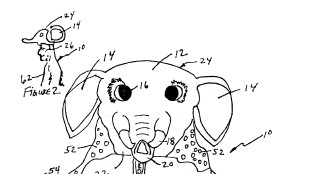
Halloween

US 6 904 612 B2 addresses the challenges of celebrating Halloween in warm weather conditions. The patent provides a climate adaptive Halloween costume. Wishing everyone a great weekend – it’s going to be sunny and warm in Munich!

Blog-Bereich

Ich plane, regelmäßig über mich interessierende IP-Themen zu schreiben. Ich werde mich bemühen, deutschsprachige Inhalte für englischsprachige IP-Fachleute zugänglich zu machen (z. B. durch die Bereitstellung von Übersetzungen von Schlagwörtern aus IP-bezogenen Gerichtsentscheidungen).

Blog section

I am planning to write regularly on IP topics that I find interesting. I will strive to make German-language content accessible to English-speaking IP professionals (e.g., by providing translations of catchphrases of IP-related court decisions).